Featured
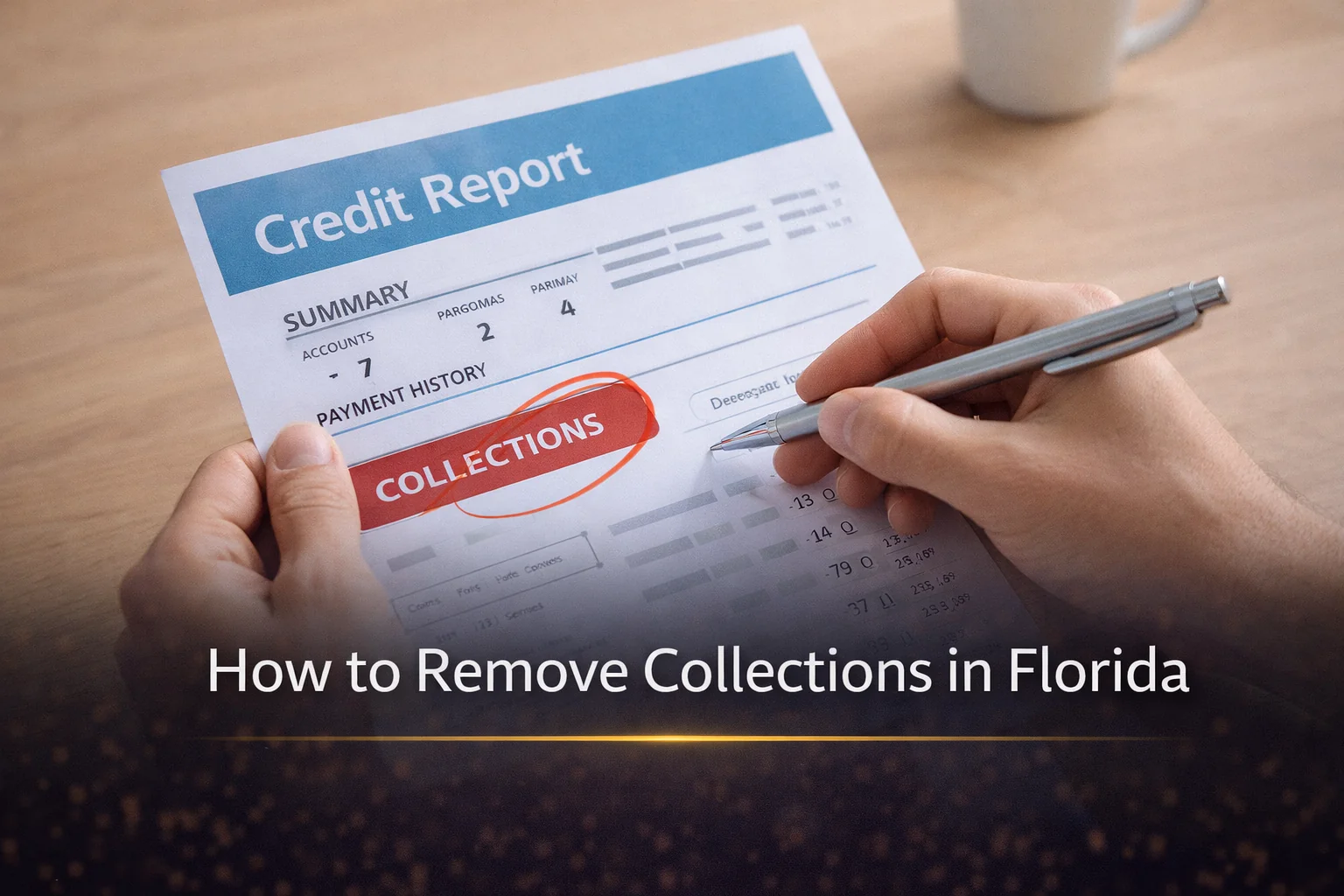
Table of Contents
Understanding the Modern Layout of 2026 Credit Reports
Checking out a credit report in 2026 includes navigating a more complicated variety of information than previous generations experienced. While the three-digit score remains a quick recommendation point, the underlying information provide the real story of monetary health. Most reports are now divided into distinct sections that track whatever from traditional loan payments to alternative data like repeating subscription services and rental history. For residents in the local area, keeping a close eye on these information is the main defense versus identity theft and clerical mistakes.The identification area remains the first difficulty. It includes names, addresses, and work history. In 2026, it is typical to see several variations of a name or past addresses from throughout the region. Inconsistencies here are frequently the very first indication of merged files or fraudulent activity. Beyond basic ID, the report notes tradelines, which are the private accounts accepted financial institutions. Each tradeline displays the date opened, the credit limit or loan quantity, the current balance, and a 2026 payment status.
Consumer Rights and Tracking in Your Region
Federal securities have broadened to fulfill the requirements of a digital-first economy. Every consumer in the United States keeps the right to contest any details that is not accurate, total, or verifiable. Under updated regulations, credit bureaus should investigate these claims within a particular window, generally thirty days. Interest in Debt Management has actually grown as information security ends up being a leading priority for those keeping an eye on these files.Monitoring is no longer a passive activity carried out when a year. In 2026, weekly access to reports has actually become the requirement for preserving an accurate profile. This frequency permits individuals to capture unapproved questions-- demands made by loan providers to view a file-- before they result in deceptive accounts. High numbers of "tough" inquiries can lower a score, while "soft" inquiries, such as those used for pre-approved deals, do not impact the overall. Effective Debt Management Plans supplies the required oversight for those looking to improve their standing before using for significant loans.
Recognizing and Challenging Mistakes
Mistakes on a credit report can vary from a misspelled street name in your neighborhood to a paid-off financial obligation appearing as unpaid. When an error is discovered, the conflict procedure must be started with both the credit bureau and the specific financial institution that offered the information. Keeping records of all correspondence is a requirement for a successful resolution. Documents such as bank statements from earlier in 2026 or "paid in complete" letters works as proof throughout these investigations.The effect of a single error is substantial. A late payment reported in error can drop a rating by dozens of points, potentially leading to higher insurance coverage premiums or rejected rental applications. Citizens typically browse for Debt Management in New York when they encounter relentless mistakes on their monthly declarations that the bureaus stop working to fix.
The Role of Nonprofit Credit Therapy in 2026
For those struggling with the contents of their report, Department of Justice-approved 501(c)(3) not-for-profit companies provide a course towards stability. These organizations offer complimentary credit counseling and HUD-approved housing therapy. They operate nationwide, guaranteeing that individuals in any given area have access to expert guidance without the high costs related to for-profit repair companies.One of the most effective tools provided by these nonprofits is the debt management program. This program consolidates various regular monthly commitments into a single payment. Agencies work out with lenders to lower rates of interest, which assists the participant pay for the principal balance quicker. This methodical method reveals up on a 2026 credit report as a series of on-time payments, which is the most prominent consider a credit rating.
Financial Literacy and Financial Obligation Management
A credit report is a reflection of past habits, however financial literacy education helps form future outcomes. Lots of community groups and banks partner with nonprofits to offer workshops on budgeting and financial obligation decrease. These programs are tailored to the particular economic conditions of the surrounding area, helping customers comprehend how to handle inflation and moving interest rates.Pre-bankruptcy therapy and pre-discharge debtor education are also obligatory actions for those required to look for legal debt relief. These sessions ensure that individuals comprehend the long-lasting effects of bankruptcy on their credit report and learn the skills needed to restore after the process is finished. By focusing on education instead of just quick repairs, these agencies help create long lasting financial stability.
Preserving Long-Term Credit Health
Achieving a high credit history in 2026 requires a mix of discipline and routine upkeep. Using less than 30% of offered credit line, an idea understood as credit usage, stays an essential method. If a charge card in the local market has a limit of $5,000, keeping the balance listed below $1,500 is usually encouraged. In addition, the age of accounts matters; keeping older accounts open, even if they are not used frequently, helps increase the average length of credit history.Strategic credit building also involves diversifying the kinds of accounts on a report. A healthy mix may consist of a home loan, an auto loan, and a few revolving credit cards. In 2026, some bureaus also consider "increase" data, where customers opt-in to consist of utility and phone payments in their score calculation. This is especially practical for younger people or those in diverse communities who are simply starting to establish their monetary footprint.Regularly decoding the details of a credit report ensures that a customer is never shocked by a loan rejection. By understanding the data, exercising legal rights to precision, and making use of not-for-profit resources when financial obligation ends up being uncontrollable, people can maintain control over their financial credibilities throughout 2026 and beyond.

Latest Posts

Financial Literacy: A Prerequisite for Buying in Your State

Tidying up Your Credit Report After Relief in 2026
Don't Let Errors Keep Back Your Local Future